

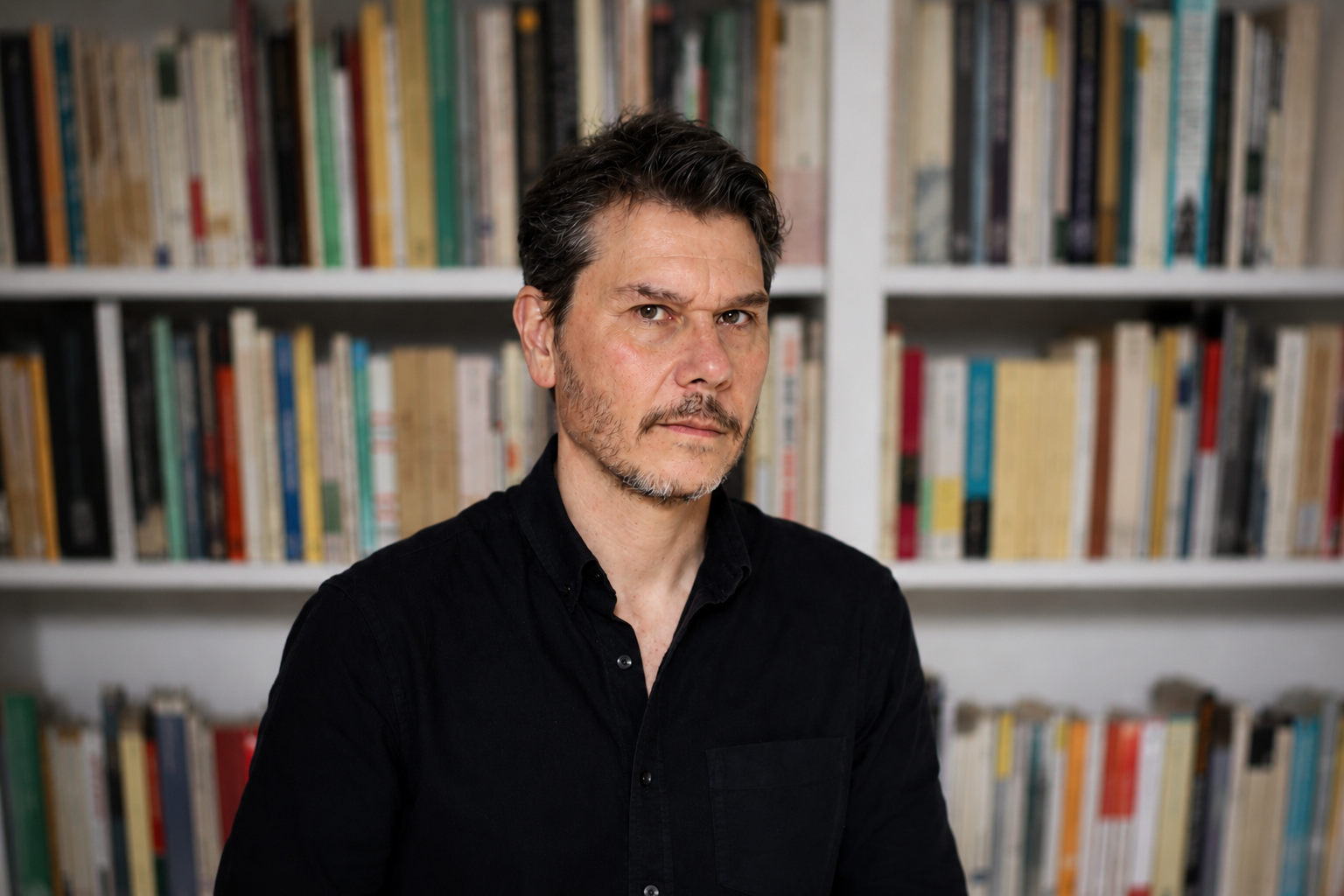
Sandro Gulì
Sandro Gulì graduated in Philosophy from the University of Palermo in 1997, then moved to
the University of Passau as a visiting graduate student. He later completed doctoral research
at Palermo on the origins of the analytic tradition, following a period of study at the
University of Graz. He subsequently returned to theoretical questions in social ontology
through further doctoral work on joint action and shared intentions.
He lectured in philosophy at the University of Aberdeen from 2019 to 2025. Previously, he
taught Semiotics at the Fashion School Marangoni in London and held postdoctoral and
teaching positions at the University of Palermo.
His research focuses on social ontology and on developing a critical approach within the
field. His work in social ontology began with the study of how people act together and form
shared intentions, before turning to the normative dimensions of social life, including social
norms, power, and institutions. His current research examines how different forms of power
shape work as a social phenomenon, with particular attention to its alienated forms. This
project informs the monograph he is writing with Luca Moretti, Practices, Power, and
Alienation: A Critical Social Ontology of Work. He is also interested in the normative status
of large groups that persist over time, especially regarding collective responsibility and
intergenerational obligation.
His earlier work was in the history of philosophy, especially the origins of the early analytic
tradition. It explored how concepts from early analytic philosophy could be brought into
dialogue with Frankfurt critical theory, and what resources they might offer for social
critique. It examined Wittgenstein’s philosophical method and the problem of intercultural
understanding, as well as Habermas’s reception of the later Wittgenstein and the legacy of
Empiriocriticism. His subsequent engagement with Honneth’s recognition theory, especially
regarding labour and economic injustice, marked the transition to the critical social ontology
framework that defines his current research.